

COVID News
Pandemic guidance & community care
Vaccine facts, webinar recaps and Care at Home guidance from the height of the pandemic — kept here as a record of how our community supported each other through it.
“Beat the Virus, Beat the Stress”
A webinar by Dr. Sudi and Dr. Asha Devanesan on COVID-19.
Helping one person may not change the world, but it could change the world for that one person.
Curated Q&A from our ‘Beat the Virus, Beat the Stress’ webinar (31/Mar/2021)
What is causing the variants to have more of a serious impact on young adults?
How long does the immunity last for Pfizer or Moderna vaccines?
Dr. Sudi answers
The greater effect on young adults is because the variant is more virulent, easily transmitted, and there is over-crowding in the workplaces for younger people. With the first dose of Pfizer and Moderna vaccine, the immunity lasts for 12 weeks. After the second dose, a third phase of the trial will continue where they will monitor the duration of the immunity.
Explore more from this insightful Q&A:
Download Q&A: Beat the Virus PDF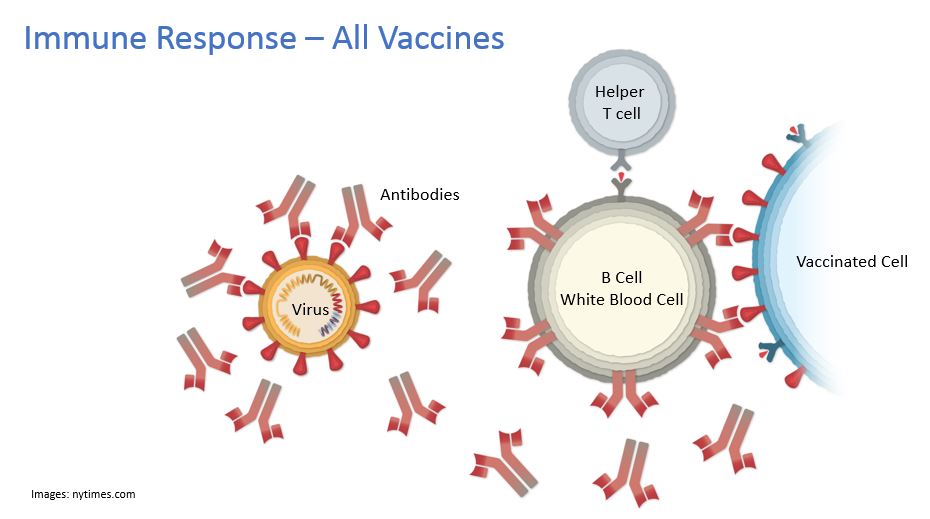
How Vaccines Work
Immune Response — All Vaccines
However they’re made, every COVID-19 vaccine trains the immune system to recognize the virus: antibodies and B cells learn to identify it, so the body can respond quickly if it’s ever encountered again.
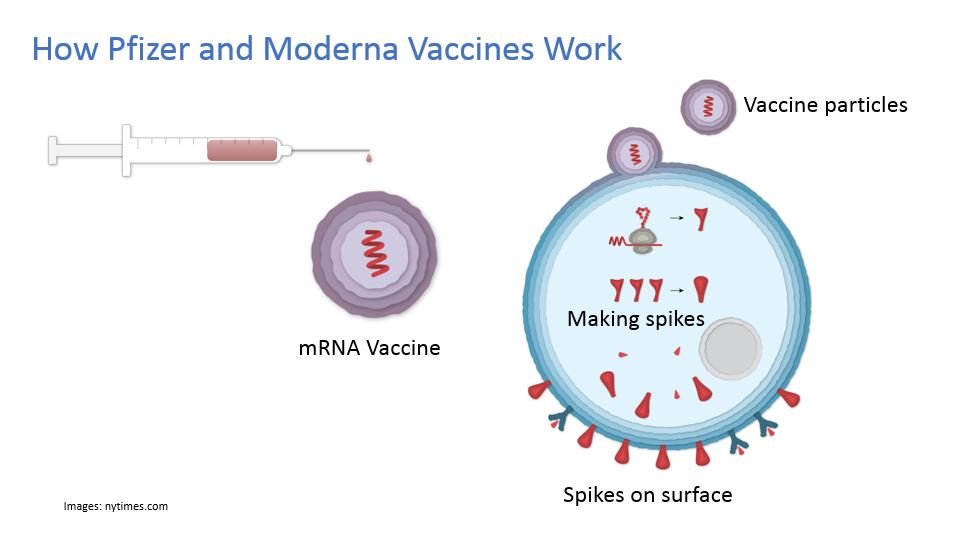
How Pfizer Works
The German company BioNTech partnered with Pfizer to develop and test a coronavirus vaccine known as BNT162b2, the generic name tozinameran or the brand name Comirnaty. A clinical trial demonstrated that the vaccine has an efficacy rate of over 90 percent in preventing Covid-19.
Read more at NYTimes.com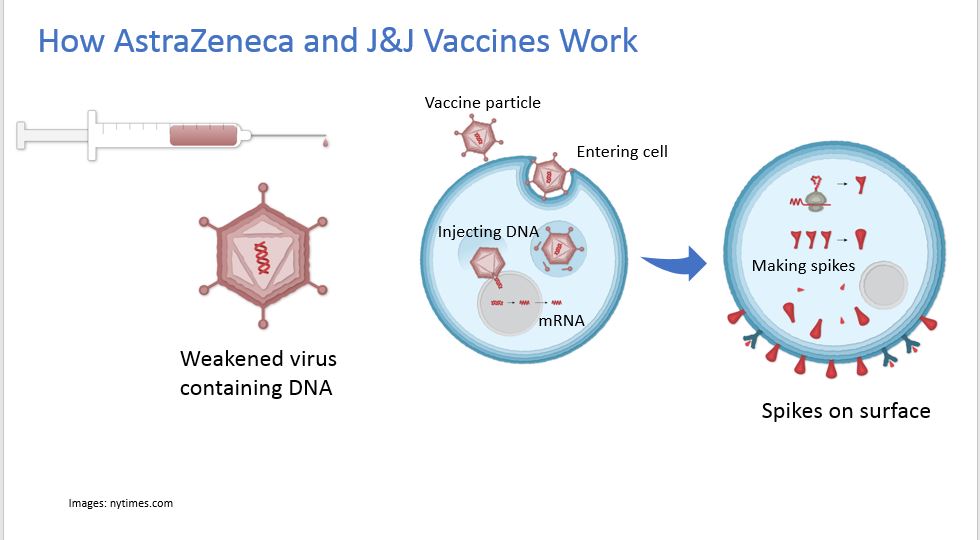
How AstraZeneca Works
The University of Oxford partnered with the British-Swedish company AstraZeneca to develop and test a coronavirus vaccine known as ChAdOx1 nCoV-19 or AZD1222. A large clinical trial showed the vaccine offered strong protection, with an overall efficacy of 76 percent.
Read more at NYTimes.comNever worry about numbers. Help one person at a time, and always start with the person nearest you.
Mother Teresa
Let’s build together robust building blocks both mentally & physically to combat COVID. Together we can … and we will.
Covid Care at Home
Worried that you may have the COVID-19 infection?
COVID-19 is a respiratory virus that spreads through phlegm or droplets or by touching something that had the virus on it. Here are some guidelines which will make it easier for you to take the correct worry-free steps when dealing with Covid-19.
Symptoms
Do you have symptoms of being exposed to the virus? While some people may experience flu-like symptoms, others may have mild symptoms or no symptoms at all. People can spread the virus before they start showing symptoms and can remain infectious for 10 days or longer after the start of symptoms. It is important that you do not ignore symptoms, even if they are mild, to avoid spreading COVID-19.
Explore more insightful tips:
Download Covid Care at Home PDFBlog Series
Coping with Change During COVID
They always say time changes things, but you actually have to change them yourself.
Andy Warhol — Visual Artist & Film Maker

Coping with the Coronavirus
Author: Ayush Jhaveri

Coping with Change – COVID 19 Impact on my Undergraduate Degree
Author: Priya Jain

Coping with Change – Teaching in the Time of COVID
Author: Sanjeev Chandra
Coping with Change – Maintaining Friendships and Staying Connected During COVID-19
Author: Jassimar Kochhar
Additional Resources
More COVID Resources
COVID-19: Main Modes of Transmission
Government of Canada guidance for health professionals.
Using Ventilation & Filtration at Home
Reducing the risk of aerosol transmission of COVID-19 at home.
Children's COVID Vaccination
Advice from Sick Kids Hospital's AboutKidsHealth site.
VaxFacts Clinic – Scarborough Health Network
Book a one-to-one phone conversation with a doctor about the COVID-19 vaccine.
Join Us. Help Others.
We are deeply grateful to our sponsors — our financial foundation — for providing unwavering stability and support. Every gift helps us reach more seniors, more youth, and more families with the wellness support they deserve.
Donate Now